Bolivia Packing List 2026: What You Really Need (and What to Leave Behind)
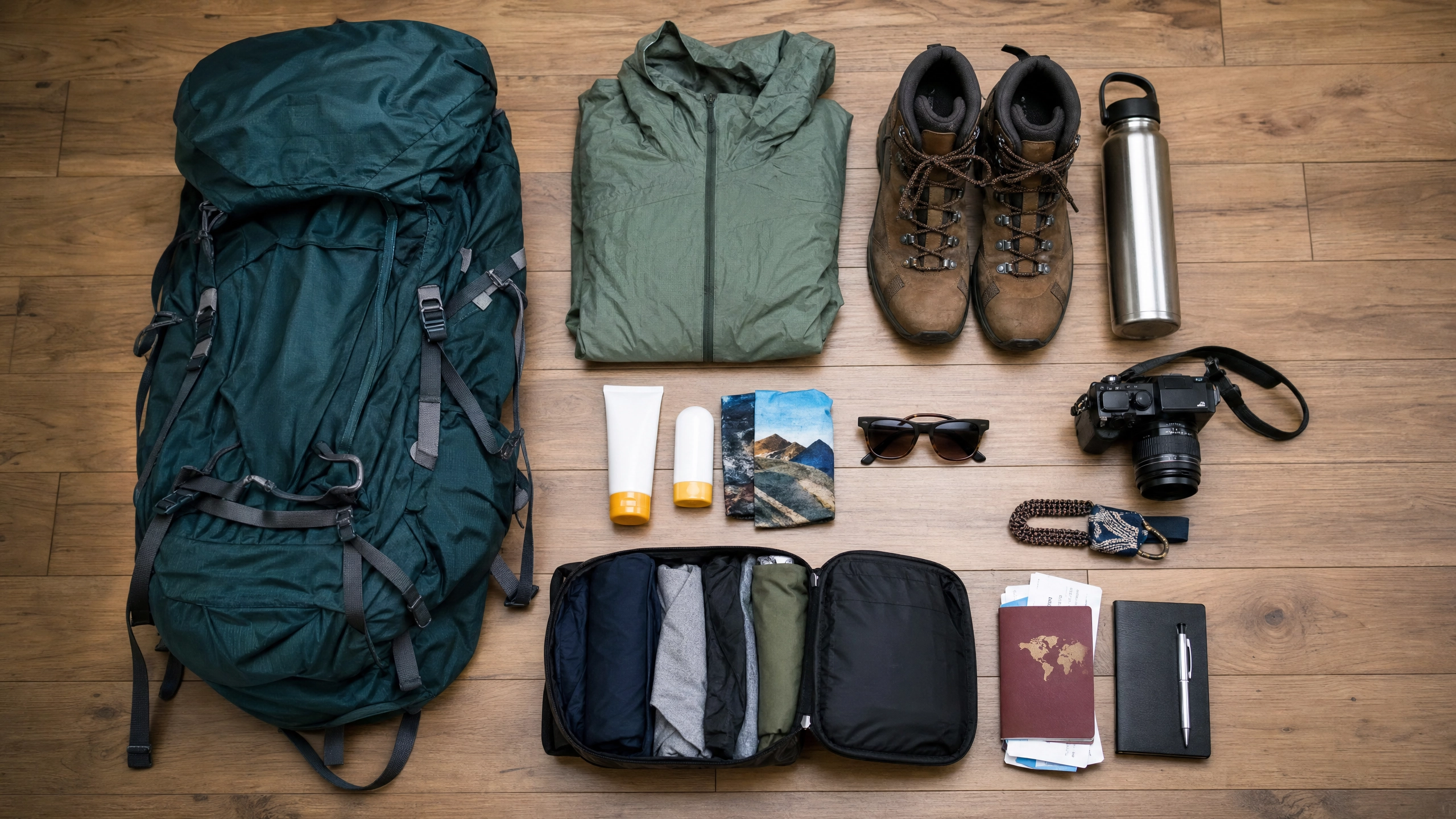
Table of Contents
# Bolivia Packing List: What You Really Need for Bolivia [2026]
Bolivia is a country of extremes: freezing cold nights on the Salar de Uyuni (-15°C), hot days in the Amazon (+35°C), thin air in La Paz (approx. 3,250–4,100m, depending on the district), and everything in between. The right packing list is crucial for a successful trip to Bolivia!
As a German-speaking guide who has lived in Bolivia for over five years and accompanied hundreds of travelers, I know exactly what you need—and what you can leave at home. In this comprehensive guide, you'll learn everything: the ultimate packing list for every region and season, what you can buy locally, common packing mistakes, and how to pack light without forgetting anything important. Also read our safety tips and visa information.
Quick overview: The most important packing tips
Layering is a must:
Bolivia has extreme temperature differences (morning -10°C, noon +20°C). Layer your clothes!
Be aware of the altitude:
At 3,000-4,000 m, UV radiation is extreme. Sun protection is a MUST!
Don't underestimate the cold:
Even in summer, it gets freezing cold at night. Warm clothing is essential!
Bring cash:
ATMs are often empty. Bring enough cash (amount depending on route/duration/comfort)! More on this in our Bolivia Travel Guide
.
Pack light:
You will be on the move a lot. Less is more!
Backpack vs. suitcase:
Backpack is better (unpaved roads, buses, more flexible).
The ultimate Bolivia packing list
Clothing: Layer up for all climate zones
Bolivia has all climate zones: highlands (cold), lowlands (hot), Amazon (hot and humid). The onion principle is essential!
Upper body
Base layer (directly on the skin):
- [ ] 2-3 thermal tops (merino wool!)
Mid layer (insulation):
- [ ] 1-2 fleece jackets
- [ ] 1 down jacket (compressible!)
Outer layer (wind/rain):
- [ ] 1 wind/rain jacket (waterproof, breathable)
Everyday wear:
- [ ] 3-4 T-shirts (quick-drying)
- [ ] 1-2 long-sleeved shirts (sun protection!)
- [ ] 1 shirt/blouse (for upscale restaurants)
Lower body
Base layer:
- [ ] 1-2 pairs of thermal underwear pants (merino wool)
Pants:
- [ ] 2 trekking pants (long, quick-drying)
- [ ] 1 pair of jeans or casual pants
- [ ] 1 pair of shorts (for lowlands/Amazon)
- [ ] 1 pair of swimming trunks/swimsuit (hot springs, Lake Titicaca)
Feet
Shoes:
- [ ] 1 pair of trekking shoes (waterproof, broken in!)
- [ ] 1 pair of sneakers/casual shoes
- [ ] 1 pair of sandals/flip-flops (for accommodations)
Socks:
- [ ] 4-5 pairs of trekking socks (merino wool)
- [ ] 2-3 pairs of regular socks
Head & hands
Head:
- [ ] 1 warm hat (for cold nights)
- [ ] 1 sun hat (wide brim!)
- [ ] 1 buff/scarf (multifunctional)
Hands:
- [ ] 1 pair of warm gloves
- [ ] 1 pair of light gloves (optional)
Eyes:
- [ ] 1 pair of sunglasses (category 4!)
Sun protection: EXTREMELY IMPORTANT!
In the Bolivian highlands, UV exposure is often significantly higher than at sea level. Sun protection is not optional!
- [ ] Sunscreen SPF 50+ (at least 200 ml) - Tip: Buy more locally (expensive, but available) - Application: Reapply every 2 hours!
- [ ] Lip balm with SPF (2-3 pieces)
- [ ] After-sun lotion
- [ ] Sunglasses (category 4!)
Sleeping bag: Essential for Salar tours
If you are going on a Salar tour, you will need a sleeping bag!
- [ ] Sleeping bag (comfort range -15°C) - Dry season (May-October): -15°C comfort range - Rainy season (November-April): -5°C comfort range - Don't have one? Rent one locally in Uyuni (€5-10), but the quality is often poor
Tip:
Bring your own sleeping bag! You'll sleep better.
Backpack & bags
Main luggage:
- [ ] 1 backpack (50-70 liters) OR suitcase
Daypack:
- [ ] 1 daypack (20-30 liters)
Miscellaneous:
- [ ] Dry bag (waterproof, 10-20 liters)
- [ ] Plastic bags (for wet/dirty clothes)
- [ ] Packing cubes (for organization)
Electronics
Camera:
- [ ] Camera (DSLR, mirrorless, or smartphone)
- [ ] Spare batteries (2-3)
- [ ] Memory cards (enough space for 1000+ photos)
- [ ] Tripod (for Salar photos, optional)
Cell phone & charging:
- [ ] Smartphone
- [ ] Power bank (20,000 mAh)
- [ ] Charging cable (USB-C, Lightning, Micro-USB)
- [ ] Power outlet adapter (Type A & C)
Other:
- [ ] Headphones (for long bus rides)
- [ ] E-reader (for books)
- [ ] Headlamp (for going to the bathroom at night)
Hygiene & health
Hygiene:
- [ ] Toothbrush, toothpaste
- [ ] Shampoo, shower gel (small bottles)
- [ ] Deodorant
- [ ] Razor
- [ ] Hand sanitizer (important!)
- [ ] Wet wipes (for Salar tours – showers are rare)
- [ ] Toilet paper (1-2 rolls)
Health:
- [ ] Diamox (for altitude sickness, prescription only) – only take after consulting a doctor
- [ ] Ibuprofen (for headaches)
- [ ] Immodium (for diarrhea)
- [ ] Band-Aids, blister plasters
- [ ] First aid kit (small)
- [ ] Personal medication (enough for the entire trip!)
Women:
- [ ] Tampons/sanitary pads (difficult to find locally)
- [ ] Menstrual cup (more practical than tampons)
Documents & money
Documents:
- [ ] Passport (valid for at least 6 months!)
- [ ] Copies of passport (2-3 copies)
- [ ] Vaccination card (yellow fever vaccination for lowlands below 2,300 m / east of the Andes)
- [ ] Travel insurance documents
- [ ] Flight tickets (printed + digital)
- [ ] Hotel reservations (printed + digital)
Money:
- [ ] Cash reserve (euros or dollars, amount depending on route/duration/comfort)
- [ ] Credit card (Visa or Mastercard)
- [ ] Debit card (backup)
- [ ] Money belt or hidden pocket
Miscellaneous
Food & drink:
- [ ] Water bottle (1 liter, reusable)
- [ ] Snacks (granola bars, chocolate, nuts)
Other:
- [ ] Travel guide (Lonely Planet, Stefan Loose)
- [ ] Notebook, pen
- [ ] Props for Salar photos (toy dinosaurs, bottles)
- [ ] Padlock (for hostel lockers)
- [ ] Clothesline (for drying)
- [ ] Sewing kit (for repairs)
What you DON'T need (leave at home!)
- ❌ Hair dryer: Hotels often have hair dryers, and the air is so dry that hair dries quickly
- ❌ Towel: Hotels have towels, and a microfiber towel is sufficient
- ❌ Lots of books: Take an e-reader (saves weight)
- ❌ Laptop: Smartphone + tablet are sufficient (unless you are working)
- ❌ Jewelry: Risk of theft
- ❌ Expensive clothing: Bolivia is dusty and dirty
- ❌ High heels: Unpaved roads, cobblestones
🎯 Recommended tour
Experience these highlights on my complete Bolivia tour:
→ View complete Bolivia tourWhat you can buy locally
Cheap & good:
- Water (0.50-1 €/liter)
- Snacks (granola bars, chocolate)
- Coca tea (for altitude sickness)
- Toilet paper
- Shampoo, shower gel
Expensive but available:
- Sunscreen (€8-12 for 200 ml)
- Batteries
- Memory cards
Hard to find:
- Tampons/sanitary pads (only in large cities)
- Special outdoor equipment
- Medicines (except in pharmacies)
Tip:
Buy basic equipment locally to save weight in your luggage!
Packing list by region
Highlands (La Paz, Uyuni, Potosí, Sucre)
Climate:
Cold, dry, thin air. During the day 10-20°C, at night -5 to -15°C.
Essential:
- Warm clothing (down jacket, fleece, thermal underwear)
- Sun protection (SPF 50+, category 4 sunglasses)
- Sleeping bag (for Salar tours)
- Diamox (for altitude sickness)
Optional:
- Gloves, hat (for cold nights)
- Lip balm (air is very dry)
Lowlands (Santa Cruz, Samaipata)
Climate:
Hot, humid. During the day 25-35°C, at night 15-25°C.
Essential:
- Light clothing (T-shirts, shorts)
- Sunscreen (SPF 50+)
- Insect repellent (mosquitoes!)
- Rain jacket (rainy season)
Optional:
- Swim trunks/swimsuit
- Sandals
Amazon (Rurrenabaque, Madidi)
Climate:
Very hot, very humid. During the day 86-98°F, at night 68-77°F.
Essential:
- Lightweight, long clothing (mosquito repellent!)
- Insect repellent (DEET 50%!)
- Rain jacket (rainy season)
- Rubber boots (rent locally)
- Yellow fever vaccination (recommended for lowlands below 2,300 m)
Optional:
- Mosquito net (lodges usually have them)
- Quick-drying clothing
Packing list according to season
Dry season (May-October)
Weather:
Dry, sunny, cold at night.
Essential:
- Warm clothing (down jacket, fleece)
- Sleeping bag (-15°C comfort range)
- Sun protection (clear skies = strong sun)
Less important:
- Rain jacket (rain is rare)
Rainy season (November-April)
Weather:
Rain (mostly in the afternoon), warmer at night.
Essential:
- Rain jacket (waterproof!)
- Waterproof shoes
- Dry bag (for electronics)
Less important:
- Extremely warm clothing (warmer than dry season)
More about the best time to travel in the Best Time to Travel Bolivia Guide.
Common packing mistakes (and how to avoid them)
1. Packing too much
Mistake:
Many people pack for every eventuality – and then lug 25 kg around Bolivia.
Solution:
- Only pack the essentials
- Do your laundry on the go (hotels often offer laundry service for €5-10)
- Buy locally
Rule:
If you're unsure, leave it at home!
2. Underestimating the cold
Mistake:
"Bolivia is in South America, so it's warm!" – Wrong! It gets freezing cold at night.
Solution:
- A down jacket is a must!
- Sleeping bag for Salar tours
- Thermal underwear
3. Forgetting sun protection
Mistake:
Many people underestimate the UV radiation at 3,000-4,000 m.
Solution:
- Sunscreen SPF 50+ (minimum!)
- Category 4 sunglasses
- Lip balm with SPF
4. Not bringing cash
Mistake:
"I'll withdraw money locally" – ATMs are often empty!
Solution:
- Bring enough cash (amount depends on route/duration/comfort)
- Exchange money locally at currency exchange offices
More about costs in the Bolivia Travel Costs Guide.
5. Bring new shoes
Mistake:
Breaking in new trekking shoes during the trip – blisters guaranteed!
Solution:
- Break in your shoes BEFORE the trip (at least 50 km)
- Bring blister plasters (for emergencies)
6. Suitcase instead of backpack
Mistake:
Suitcases are impractical on unpaved roads, in buses, etc.
Solution:
- A backpack (50-70 liters) is better
- If suitcase: Sturdy hard-shell suitcase
7. No altitude sickness prevention
Mistake:
"I'm fit, I don't need Diamox" – altitude sickness can affect anyone!
Solution:
- Take Diamox (prescription required)
- Drink coca tea
- Acclimatize slowly
8. Not enough storage space for photos
Mistake:
A 32GB memory card for 3 weeks in Bolivia – not enough!
Solution:
- 2-3 memory cards (64GB or more)
- Backup on laptop/cloud
9. No props for Salar photos
Mistake:
Many people forget props for the crazy perspective photos on the Salar.
Solution:
- Toy dinosaurs, bottles, etc.
- Your guide will have some, but it's better to bring your own!
More about the Salar in the Salar de Uyuni travel guide.
10. Valuables in your main luggage
Mistake:
Passport, money, camera in checked luggage – risk of loss/theft!
Solution:
- Always keep valuables in your carry-on luggage
- Keep copies of documents separately
Carry-on luggage vs. checked luggage
What belongs in your carry-on luggage
Valuables:
- Passport, money, credit cards
- Camera, laptop, tablet
- Jewelry (if any)
Important items:
- Medication (personal)
- Diamox (for altitude sickness)
- Charging cable, power bank
Clothing for 1-2 days:
- 1 T-shirt, 1 pair of underwear, 1 pair of socks
- Why? In case checked baggage is lost
Entertainment:
- E-reader, headphones
- Notebook, pen
What belongs in checked baggage
Clothing:
- All clothing except for 1-2 days
- Shoes (except the ones you are wearing)
Hygiene:
- Shampoo, shower gel (over 100 ml)
- Razor
- Sunscreen (large bottles)
Equipment:
- Sleeping bag
- Trekking poles
- Tripod
Tip:
Pack your sleeping bag compressed (saves space!).
Pack light: Tips for minimalists
1. Capsule wardrobe:
- Choose clothes that go together (e.g., all black/gray)
- Combine everything with each other
2. Multifunctional clothing:
- Trekking pants with removable legs (become shorts)
- Buff (as a scarf, hat, headband)
3. Wash on the go:
- Hotels often offer laundry service (€5-10)
- Or wash yourself (buy washing powder locally)
4. Buy locally:
- Shampoo, shower gel, sunscreen
- Saves weight
5. Go digital:
- E-reader instead of books
- Digital copies of documents
6. Share with your travel partner:
- Sunscreen, toothpaste, etc.
- Saves space
Goal:
10-12 kg total weight (including backpack)
Packing list checklist: 1 week before departure
- [ ] All clothes washed and packed
- [ ] Shoes broken in
- [ ] Medication purchased (Diamox!)
- [ ] Passport valid (at least 6 months)
- [ ] Copies of documents made
- [ ] Travel insurance taken out
- [ ] Informed bank about trip
- [ ] Cash reserve obtained (amount depending on route/duration/comfort)
- [ ] Camera batteries charged
- [ ] Charged power bank
- [ ] Memory cards formatted
- [ ] Sunscreen SPF 50+ purchased
- [ ] Sleeping bag tested (warm enough?)
- [ ] Backpack/suitcase packed (under 20 kg?)
- [ ] Packed carry-on luggage (valuables!)
Conclusion: The right packing list makes all the difference
The right packing list is crucial for a successful trip to Bolivia. Too much luggage is exhausting, too little is uncomfortable. With this packing list, you'll have everything you need—and nothing you don't!
The most important insights:
1. Layer up: Bolivia has extreme temperature differences. Layer your clothing! 2. Sun protection is a must: SPF 50+, category 4 sunglasses, lip balm. 3. Don't underestimate the cold: A down jacket and sleeping bag are essential for Salar tours! 4. Bring cash: Sufficient cash (amount depends on route/duration/comfort, ATMs are often empty). 5. Pack light: Less is more. Wash your clothes on the go and buy replacements locally.
With this packing list, you'll be perfectly prepared for your Bolivian adventure!
Whether you're heading to Salar de Uyuni, La Paz, or the Amazon, you'll have everything you need. Have a great trip!
---
Ready for your Bolivia adventure with a German-speaking guide?
You now have all the information you need for your trip to Bolivia. But why plan alone when you can have an experienced English-speaking guide at your side?
I offer:
- ✅ German-speaking private tours with premium vehicles
- ✅ Individual route planning perfectly tailored to your wishes
- ✅ Insider knowledge after 5+ years in Bolivia
- ✅ Comfort & safety with heated accommodations and new vehicles
- ✅ Authentic experiences off the beaten track
About the author:
Carsten Müller has tried everything in 5 years in Bolivia – from too much luggage (25 kg backpack!) to minimalist (10 kg). He knows exactly what you really need and what you can leave at home. His packing list is based on hundreds of guided tours and countless feedback from travelers. Contact him for personalized packing tips for your specific route!
Special packing lists for specific activities
Ready for your Bolivia adventure?
Let's plan your perfect private tour together!
Death Road Mountain Bike Tour
If you're doing the famous Death Road, you'll need:
Clothing:
- Long pants (protection against scrapes)
- Long-sleeved shirt (sun protection)
- Windbreaker (it's cold at the top, 4,700 m!)
- Rain jacket (the Yungas region is humid)
Equipment (usually provided):
- Helmet, gloves, knee pads
- Mountain bike
Your own:
- Sunglasses (dust!)
- Sunscreen SPF 50+
- Swim trunks (pool at the end of the tour)
- Change of clothes
More about Death Road in the La Paz travel guide.
Huayna Potosí ascent (6,088 m)
You will need special equipment to climb the summit:
Usually provided:
- Crampons, ice axe
- Climbing harness, rope
- Helmet
Your own (essential):
- Mountaineering boots (warm, suitable for crampons)
- Down jacket (very cold at 6,000 m!)
- Thermal underwear (merino wool)
- Warm gloves (mittens are better than gloves)
- Warm hat (balaclava)
- Sunglasses (glacier sunglasses, category 4!)
- Sunscreen SPF 50+
- Water bottle (insulated so that the water doesn't freeze)
Fitness
- Good physical condition (8-10 hours of climbing)
- Acclimatization (4-5 days in La Paz!)
Amazon tour (Rurrenabaque, Madidi)
You will need special equipment for the Amazon:
Clothing:
- Long, lightweight pants (mosquito repellent!)
- Long-sleeved shirts (lightweight, quick-drying)
- Rubber boots (rent on site)
- Rain jacket (rainy season)
- Swim trunks
Insect repellent:
- DEET 50% insect repellent (essential!)
- Mosquito net (lodges usually have these)
- Long clothing (even at night)
Health:
- Yellow fever vaccination (recommended for lowlands/jungle)
- Malaria prophylaxis (optional, but recommended)
- Diarrhea medication
Other:
- Waterproof bag (for camera, cell phone)
- Headlamp (for night hikes)
- Binoculars (for wildlife viewing)
Lake Titicaca & Copacabana
For Lake Titicaca, you will need:
Clothing:
- Warm clothing (cold at night, 3,812 m altitude!)
- Sun protection (reflection from the water)
- Swimwear (if you want to swim – but the water is cold!)
Other:
- Sunscreen SPF 50+
- Sunglasses
- Camera (spectacular views!)
Packing for different travel styles
Backpacker (budget)
Luggage:
50-60 liter backpack
Clothing:
Minimum (wash often)
- 3 T-shirts, 2 pairs of pants, 1 fleece, 1 down jacket
- 4 pairs of underwear, 4 pairs of socks
Equipment:
- Sleeping bag (essential!)
- Headlamp
- Padlock (for hostel lockers)
Budget:
€25-40 per day
More about costs in the Bolivia Travel Costs Guide.
Mid-range travelers
Luggage:
60-70 liter backpack or suitcase
Clothing:
More choice
- 5 T-shirts, 3 pairs of pants, 2 fleeces, 1 down jacket
- 6 pairs of underwear, 6 pairs of socks
- 1 shirt/blouse (for restaurants)
Equipment:
- Sleeping bag (for Salar tours)
- Camera (DSLR or mirrorless)
- E-reader
Budget:
€50-80 per day
Luxury travelers
Luggage:
Suitcase (hotels have porters)
Clothing:
Comfort
- 7+ T-shirts, 4 pairs of pants, 3 fleeces, 1 down jacket
- Plenty of underwear, socks
- Several shirts/blouses
Equipment:
- No sleeping bag necessary (luxury tours have good accommodations)
- Professional camera
- Laptop, tablet
Budget:
€120-200 per day
Packing for different trip lengths
1 week (short trip)
Route:
La Paz → Uyuni → La Paz
Luggage:
40-50 liter backpack
Clothing:
Minimum
- 3 T-shirts, 1 pair of pants, 1 fleece, 1 down jacket
- 4 pairs of underwear, 4 pairs of socks
Tip:
Wash your clothes once during your trip
2 weeks (standard)
Route:
La Paz → Uyuni → Potosí → Sucre → Santa Cruz
Luggage:
50-60 liter backpack
Clothing:
Standard
- 4 T-shirts, 2 pairs of pants, 1 fleece, 1 down jacket
- 5 pairs of underwear, 5 pairs of socks
Tip:
Wash every 5-7 days
3-4 weeks (detailed)
Route:
La Paz → Lake Titicaca → Uyuni → Tupiza → Sucre → Santa Cruz → Rurrenabaque → La Paz
Luggage:
60-70 liter backpack
Clothing:
More selection
- 5-6 T-shirts, 2-3 pairs of pants, 2 fleece jackets, 1 down jacket
- 6-7 pairs of underwear, 6-7 pairs of socks
Tip:
Wash every 7-10 days
1-3 months (long-term travel)
Route:
All of Bolivia + neighboring countries
Luggage:
60-70 liter backpack (no more!)
Clothing:
Same as 3-4 weeks (wash more often)
Tip:
Buy replacements locally, replace damaged clothing
Packing tips for couples
Share:
- Sunscreen (1 large bottle for both)
- Toothpaste (1 tube)
- Shampoo, shower gel
- First aid kit
- Charging cable (if you have the same devices)
Saves:
2-3 kg in weight!
Your own:
- Clothing (of course)
- Medication (personal)
- Camera (if both take photos)
Packing tips for families with children
Additionally for children:
- Diapers (difficult to find locally!)
- Baby food (limited locally)
- Child carrier (for hikes)
- Toys (for long bus rides)
- Snacks (children are picky)
Medication:
- Fever syrup (paracetamol)
- Diarrhea medication (children's dosage)
- Band-Aids (lots!)
Clothing:
- Extra changes of clothes (children get dirty more quickly)
- Warm clothing (children get cold faster)
Tip:
Children acclimatize more slowly. Plan for 3-4 days in La Paz!
Technology packing list for digital nomads
Work:
- Laptop (13-15 inches)
- Mouse, keyboard (optional)
- Laptop stand (for ergonomics)
- Noise-canceling headphones (for cafes)
Connectivity:
- Local SIM card (Entel, Tigo, $8-15)
- Portable WiFi hotspot (optional)
- VPN (for security)
Power:
- Power bank (20,000 mAh)
- Multi-USB charger
- Power outlet adapter (type A & C)
Backup:
- External hard drive (1-2 TB)
- Cloud backup (Google Drive, Dropbox)
Tip:
Wi-Fi in Bolivia is often slow. Allow extra time for uploads!
Photographer's packing list
Camera:
- DSLR or mirrorless
- 2-3 lenses (wide angle for Salar, telephoto for animals)
- Spare batteries (4-5 – cold weather drains batteries quickly!)
- Memory cards (128GB+, several)
Accessories:
- Tripod (for Salar photos, sunsets)
- Remote shutter release (for long exposures)
- Cleaning kit (dust on the salt flats!)
- Polarizing filter (for salar reflections)
- ND filter (for long exposures)
Protection:
- Camera backpack (padded)
- Dry bag (for salt flat tours)
- Rain protection (rainy season)
Props:
- Toy dinosaurs, bottles (for perspective photos)
More about the Salar in the Salar de Uyuni travel guide.
Safety: How to protect your luggage
Theft prevention
On the bus:
- Main luggage under the bus (locked)
- Valuables in your carry-on luggage (with you)
- Carry your backpack in front (not behind)
In the hostel:
- Padlock for lockers
- Valuables in locker (do not leave out in the open)
- Money belt under clothing
On the street:
- Carry your backpack in front (pickpockets!)
- Do not carry your cell phone in your hand (motorcycle thieves!)
- Hide valuables
Insurance
Travel insurance:
Essential!
- Luggage insurance (in case of loss/theft)
- Health insurance (altitude sickness, accidents)
- Travel cancellation insurance
Cost:
€20-60 for 2-4 weeks
Tip:
Take photos of your luggage before you travel (for insurance claims).
Sustainability: Pack environmentally friendly
Avoid single-use plastic:
- Reusable water bottle (instead of buying plastic bottles)
- Cloth bags (for shopping)
- Reusable straws (optional)
Environmentally friendly products:
- Solid soap (instead of plastic bottles)
- Bamboo toothbrush
- Menstrual cup (instead of tampons)
Repair instead of throwing away:
- Sewing kit (for repairs)
- Adhesive tape (for backpack repairs)
Tip:
Bolivia has a waste problem. Take your trash with you and dispose of it responsibly!
Final checklist: On the day of departure
In the morning:
- [ ] Passport packed (carry-on luggage!)
- [ ] Money packed (carry-on luggage!)
- [ ] Cell phone charged
- [ ] Power bank charged
- [ ] Camera batteries charged
- [ ] All charging cables packed
- [ ] Medication packed (carry-on luggage!)
- [ ] Flight ticket printed (or digital)
Before leaving:
- [ ] Turn off all lights
- [ ] Heating/air conditioning off
- [ ] Windows/doors locked
- [ ] Trash taken out
- [ ] Watered the plants (or asked a neighbor to do so)
At the airport:
- [ ] Check-in (online or at the counter)
- [ ] Checked in luggage (under 23 kg?)
- [ ] Security check
- [ ] Boarding pass ready
On the plane:
- [ ] Medication according to doctor's instructions (e.g., Diamox, if prescribed)
- [ ] Drink plenty of water (flight is dry)
- [ ] Rest (avoid jet lag)
Conclusion: Packing well is half the battle!
The right packing list is the key to a successful trip to Bolivia. With this comprehensive packing list, you'll have everything you need—for every region, every season, every activity.
The most important insights:
1. Layer up: Extreme temperature differences require layers 2. Sun protection is a must: SPF 50+, category 4 sunglasses 3. Don't underestimate the cold: Down jacket and sleeping bag essential 4. Bring cash: Enough cash (amount depends on route/duration/comfort, ATMs often empty) 5. Pack light: Less is more, wash on the go 6. Altitude sickness prevention: Diamox, coca tea, acclimatization 7. Be flexible: Buy supplies locally, adapt
With this packing list, you'll be perfectly prepared!
Whether you're heading to Salar de Uyuni, La Paz, the Amazon, or Death Road – you'll have everything you need. Now all you have to do is pack and get going!
Ready for your Bolivian adventure?
With this packing list, nothing can go wrong. Pack your backpack and experience the adventure of a lifetime!
---
Ready for your Bolivia adventure with a German-speaking guide?
You now have all the information you need for your trip to Bolivia. But why plan alone when you can have an experienced English-speaking guide at your side?
I offer:
- ✅ German-speaking private tours with premium vehicles
- ✅ Individual route planning perfectly tailored to your wishes
- ✅ Insider knowledge after 5+ years in Bolivia
- ✅ Comfort & safety with heated accommodations and new vehicles
- ✅ Authentic experiences off the beaten track
About the author:
Carsten Müller has tried everything in 5 years in Bolivia – from overpacking (25 kg!) to minimalism (10 kg). He knows exactly what you really need. His packing list is based on hundreds of guided tours and countless feedback. This packing list is the result of 5 years of experience – make use of it! Contact him for individual packing tips for your specific route and travel time!
Ready for your Bolivia adventure?
Let's plan your perfect private tour together!
Share Article
You might also like
Bolivia Trip 2026: Checklist & Planning Without Spanish Skills
Without preparation, Bolivia becomes a challenge: visas, altitude sickness, road blocks. This checklist saves you from the most common mistakes – from booking to departure.
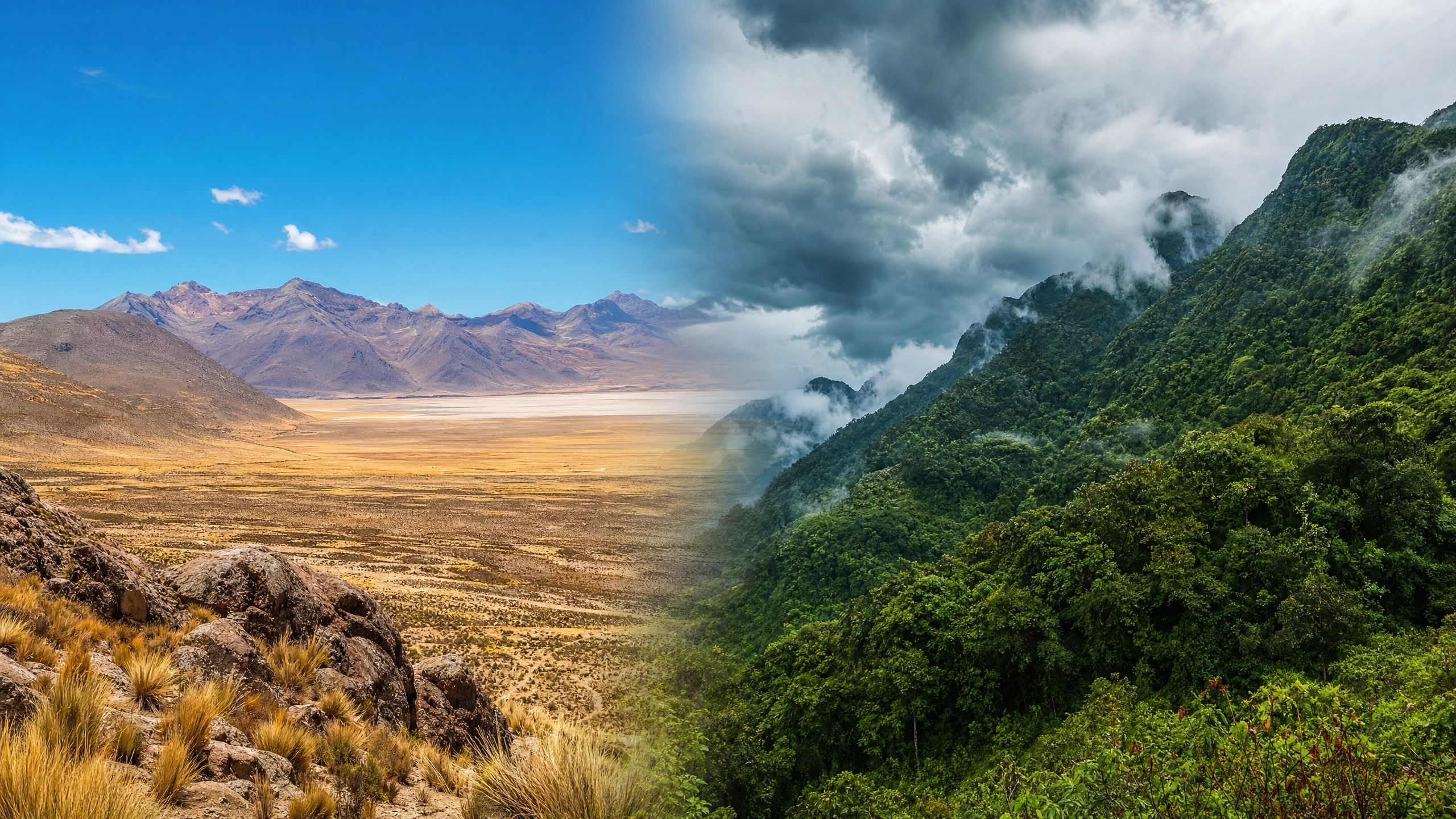
Best Time to Visit Bolivia 2026 – Avoid Rain, Cold & Crowds
Wrong season means rain, cold or tourist crowds – and wasted money. Our month-by-month guide shows you exactly when to visit each region of Bolivia.